Two workflows, one question
The question isn't whether generative AI will "kill" traditional design. That framing is lazy and skips the point. The useful question is narrower: in which situations does an AI-assisted workflow give a better, similar or worse result than a manual one, and judged by what? The creative AI pages start from there. Before learning to master a tool, you need to understand what it does in real conditions, on real commissions.
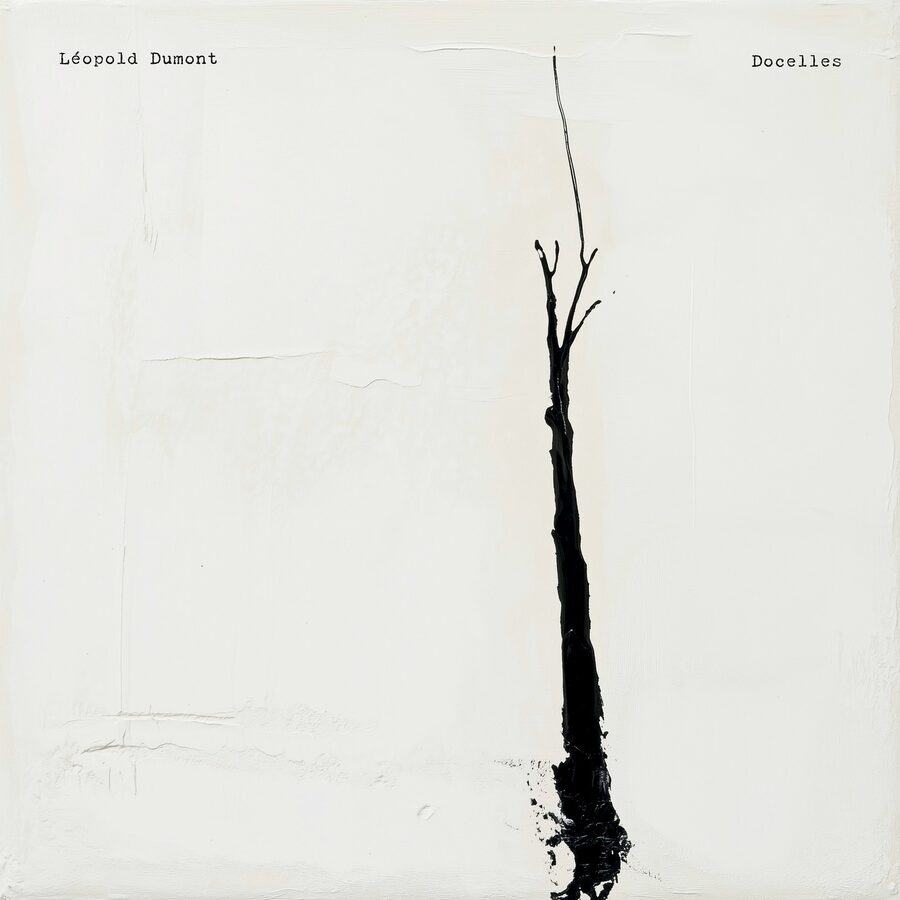
What follows is not a case for generative AI. It's an honest comparison of generative AI vs traditional design, drawn from projects done both ways for the same deliverables: visual identities for music artists, album covers, visuals for streaming platforms.
Time: where the gap shows most
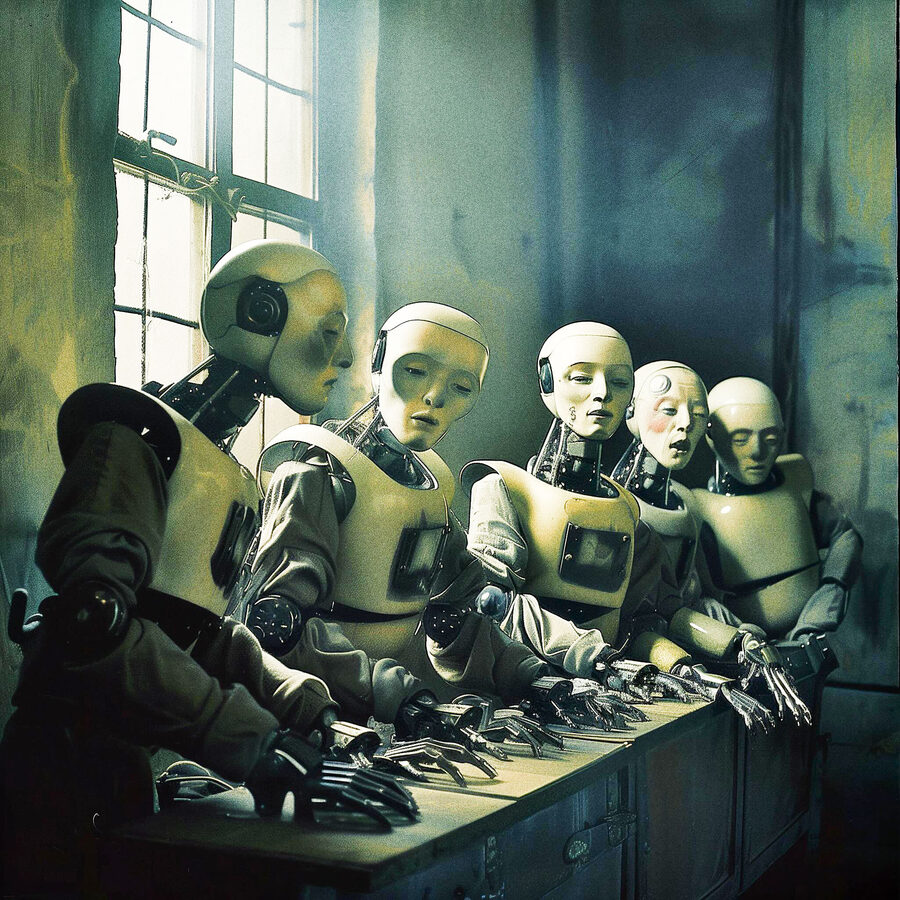
An album cover brief done by hand (looking for references, sketching, choosing a direction, illustrating or retouching photos, typography, final layout) takes two to five days of actual work depending on how complex it is. That includes the usual back-and-forth with the artist or label, corrections and adapting the files to delivery formats.
The same brief through an AI-assisted workflow (exploratory prompting in Midjourney, selecting and refining, retouching in Photoshop or Firefly, final composition) takes somewhere between four hours and a day. The exploratory phase, the longest one in traditional work, with its mental back-and-forth, abandoned attempts and directions that lead nowhere, is compressed by the models' ability to turn out a large number of variations quickly.
The time saved doesn't simplify the creative work. It moves the load. Hours no longer spent on technical execution go back into selection, judgment and refinement, skills that remain human and get used more than before.
Cost: it depends on volume
For a freelancer or a small studio, AI tools (Midjourney, Adobe Firefly, Stable Diffusion) are a modest fixed monthly cost, between 10 and 60 euros depending on the subscriptions, whatever the volume of work. A traditional workflow means billable time that grows with each project.
So the AI workflow starts to pay off past a certain volume, or when the client's budget is tight. For independent labels, self-releasing artists or studios juggling several projects at once, the numbers often work out. For a project with strong symbolic weight, such as a first cover for an artist still finding their feet, the traditional workflow keeps its advantages: closer follow-up, the relationship, a more singular result.
The comparison table
| Criterion | Manual workflow | AI-assisted workflow |
|---|---|---|
| Average time (album cover) | 2 to 5 days | 4 hours to 1 day |
| Tool cost | Software (Adobe CC, etc.) | AI subscription + software |
| Exploratory phase | Long, linear | Fast, high-volume |
| Singularity of the result | High if skills are strong | Variable, depends on prompting |
| Learning curve | Long (years) | Medium (months) |
| Control over detail | Total | Partial, needs retouching |
| Adapting to formats | Manual, time-consuming | Fast through upscaling and variants |
What AI won't do for you
A common confusion, kept alive by AI's promoters and critics alike, holds that the tool produces a result. In practice it produces proposals, in huge numbers, very quickly. What stays with the creative is judgment: recognizing what works, understanding why, and knowing how to take it where the original vision needs it to go.
Midjourney and Adobe Firefly generate visual probabilities. They produce what is statistically consistent with the prompt. What the prompt can't hold is taste, visual culture, the ability to tell an image that stands up from one that merely flatters. Those come from years of practice and exposure, and AI doesn't stand in for them.
Toward a complementary workflow
Traditional versus AI-assisted is a false choice. The practitioners getting the most interesting results today know traditional work well enough to judge when, and why, to bring in a generative tool. They use AI for exploratory speed and for a wider range of first proposals, then go back to traditional tools (manual retouching, composition, typography) for anything that needs tight control over detail.
This isn't a compromise. It's a method, and a method can be learned.
For graphic designers, musicians and art directors who want to bring these tools into their work without losing their visual identity: More on creative AI.